
 English
 Español
 Português
The Blue Mosque of Istanbul

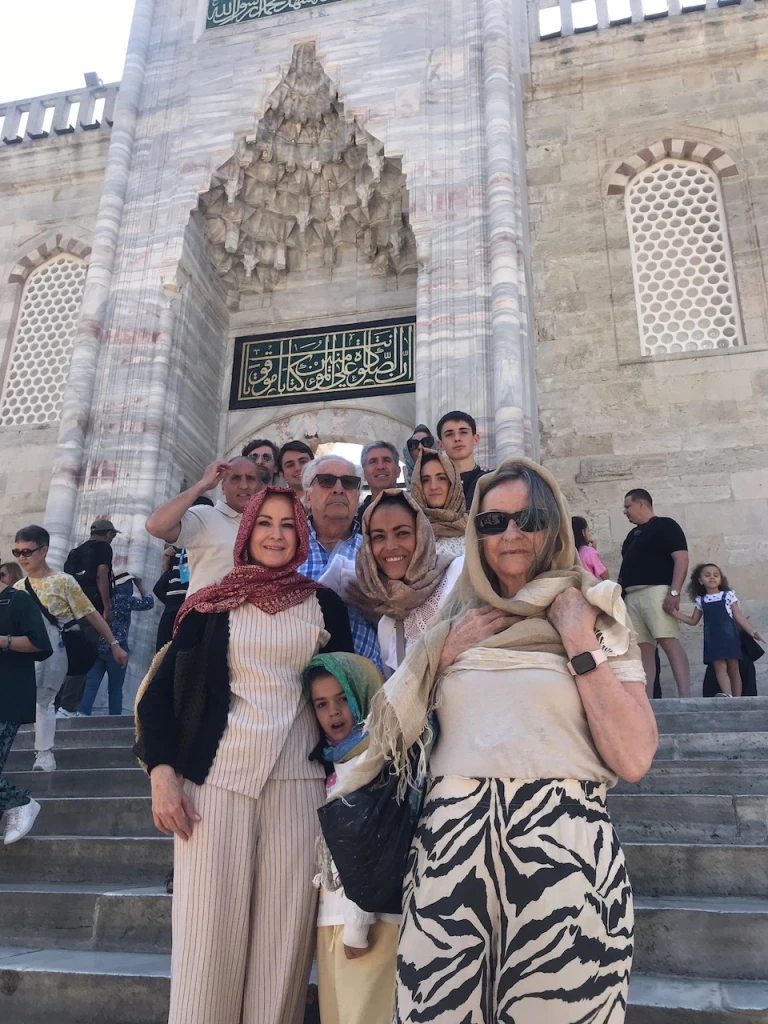
A Masterpiece of Ottoman Architecture
The Blue Mosque, officially known as the Sultan Ahmed Mosque, is one of Istanbul's most iconic landmarks and one of the most significant symbols of the Islamic world. Considered a masterpiece of Ottoman architecture, it is among the most visited attractions in Turkey.
Commissioned by Sultan Ahmed I, the mosque was built between 1609 and 1616 opposite Hagia Sophia, near the Sea of Marmara, occupying a prestigious location in the heart of Istanbul's historic peninsula.
Its popular name, the Blue Mosque, comes from the more than 20,000 handmade blue İznik tiles that decorate its interior, creating a breathtaking atmosphere of elegance and serenity.
A Monumental Religious Complex
The Blue Mosque was designed not only as a place of worship but also as a large religious and social complex serving the community.
Originally, the complex included:
- The main mosque
- Madrasas (Islamic schools)
- A hospital
- A covered bazaar
- Public baths (hammams)
- Fountains
- Public kitchens for the poor
- Storehouses and administrative buildings
- The Mausoleum of Sultan Ahmed I
This complex reflected the religious, educational, and charitable role of the great Ottoman foundations.
The Courtyard and Main Entrance
The mosque is surrounded by a spacious outer courtyard and a magnificent inner courtyard.
The main courtyard is enclosed by an elegant arcade supported by 26 marble columns and crowned with 30 small domes. At its center stands a beautiful fountain traditionally used for ritual ablutions before prayer.
The principal entrance faces the historic Hippodrome Square, one of the most important public spaces of ancient Constantinople.
The Six Minarets
One of the Blue Mosque's most distinctive features is its six minarets, an exceptional design for its time.
- Four minarets stand at the corners of the main prayer hall.
- Two additional minarets are located at the entrance of the complex.
The four main minarets each feature three balconies, while the two smaller minarets have two balconies each.
Their graceful silhouette dominates Istanbul's skyline and has become one of the city's most recognizable landmarks.
Inside the Blue Mosque
The mosque's magnificent central dome rises approximately:
- 43 meters (141 feet) high
- 23 meters (75 feet) in diameter
The structure is supported by massive pillars and surrounded by a series of semi-domes that distribute its weight with remarkable harmony.
More than 260 stained-glass windows allow natural light to flood the prayer hall, creating a peaceful and spiritual atmosphere.
The walls are decorated with over 20,000 handmade İznik ceramic tiles, celebrated for their exquisite floral and geometric designs. The predominance of blue tones inspired the mosque's famous nickname.
The upper walls and domes are adorned with elegant Arabic calligraphy featuring verses from the Holy Qur'an, complemented by intricate Ottoman decorative motifs.
The entire floor is covered with carpets used for daily prayers, reflecting the mosque's continuing role as an active place of worship.
A Symbol of Istanbul
Today, the Blue Mosque remains one of Turkey's most important active mosques and one of Istanbul's most visited attractions.
Its harmonious blend of magnificent architecture, artistic beauty, and spiritual significance makes it an essential destination for anyone wishing to discover the rich history and cultural heritage of the former capital of the Ottoman Empire.
Standing opposite Hagia Sophia, the Blue Mosque continues to captivate millions of visitors each year and remains one of the greatest architectural masterpieces of the Islamic world.
Our partners