
 English
 Español
 Português
Pottery and Carpets of Cappadocia

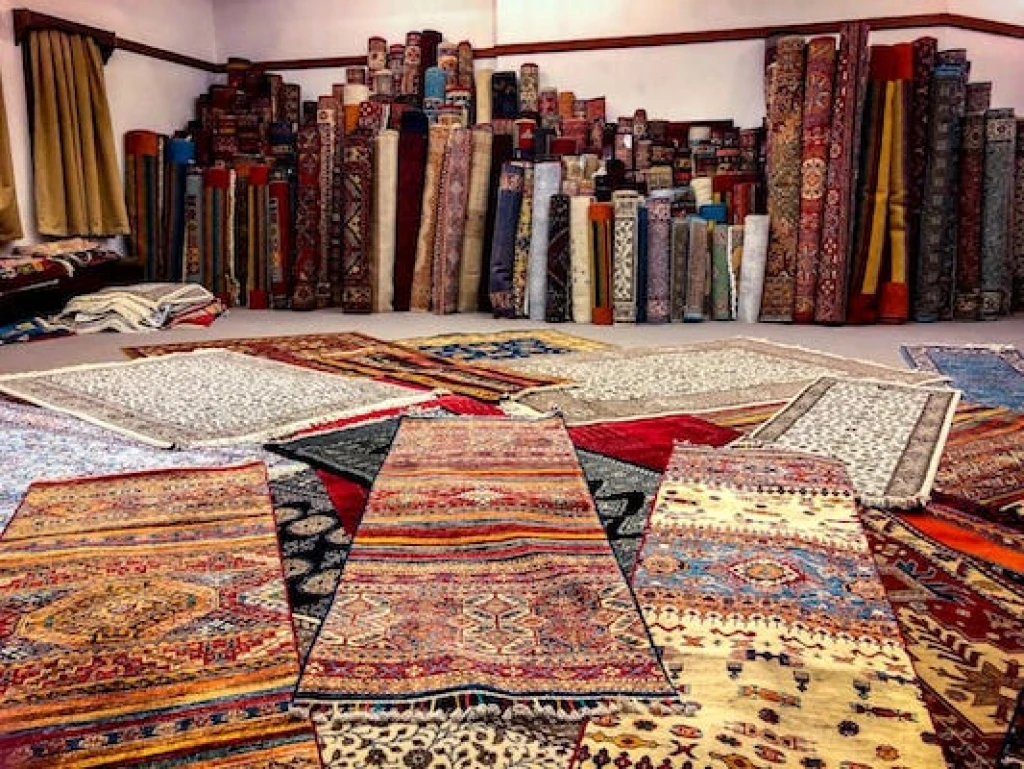
Cappadocia's rich natural beauty, ancient history, and vibrant culture have profoundly influenced the development of its traditional handicrafts. For centuries, local artisans have transformed regional materials such as volcanic tuff, clay, and onyx into beautiful works of art that reflect the cultural heritage of Anatolia.
Among Cappadocia's most famous handicrafts are handwoven carpets, kilims, traditional pottery, onyx crafts, and handmade dolls, all of which continue to preserve centuries-old artistic traditions.
Avanos: The Pottery Capital of Cappadocia
The town of Avanos is recognized as the leading center of traditional craftsmanship in Cappadocia and is widely known as the region's pottery capital.
Pottery production in Avanos dates back thousands of years, reaching as far back as the Hittite civilization. However, some of the earliest pottery discovered in Anatolia comes from the Neolithic settlement of Çatalhöyük, near Konya.
What makes Avanos pottery unique is the exceptional quality of its clay. The clay is collected from natural deposits created by the Kızılırmak River—Turkey's longest river—as well as from the region's volcanic soils.
After careful preparation, master craftsmen shape the clay entirely by hand using traditional techniques that have been passed down through generations.
One of the most remarkable characteristics of Avanos pottery is that many pieces are created without industrial molds. Every stage, from shaping to decorating, is completed by hand, making each piece a unique work of art.
As tourism has grown, local artisans have expanded their production from everyday household items to decorative collections, artistic sculptures, and custom-made ceramics admired by visitors from around the world.
The Tradition of Carpets and Kilims
Cappadocia is also one of Turkey's most important regions for the production of handwoven carpets and kilims.
The provinces of Nevşehir, Kayseri, Niğde, and Aksaray have preserved a rich weaving tradition for centuries. Carpet weaving remains an important part of the cultural identity of many local communities and continues to be one of the region's most valuable traditional crafts.
During the 19th century, European merchants—particularly from Britain—developed a strong interest in Cappadocia's carpets. Rugs woven in Nevşehir and Ürgüp gained international recognition for their exceptional craftsmanship, high-quality wool, natural dyes, and traditional Anatolian designs.
Throughout the 20th century, towns such as Ürgüp and Avanos became important centers for the production and trade of handmade carpets.
Aksaray and the Famous Taşpınar Rugs
The city of Aksaray has been an important carpet-weaving center since the Seljuk period.
Today, it is especially famous for its prestigious Taşpınar rugs, considered among the finest examples of Anatolian textile craftsmanship thanks to their premium wool, natural colors, and intricate geometric patterns.
Kayseri and the Kilim Tradition
Kayseri has also played a significant role in the history of Turkish carpet weaving.
The districts of Bünyan and Yahyalı are internationally renowned for producing beautifully handwoven kilims and carpets. Other towns, including Pınarbaşı, Sarız, Tomarza, and Yeşilhisar, continue to preserve these centuries-old weaving traditions.
The Art of Onyx
Cappadocia is also famous for its exquisite onyx craftsmanship. This beautiful semi-precious stone naturally occurs in a variety of colors, including white, yellow, pink, and shades of red.
Local artisans transform onyx into elegant jewelry, decorative sculptures, ornaments, and souvenirs that reflect the artistic traditions of the region.
The workshops in Hacıbektaş, located in the province of Nevşehir, are particularly well known for producing high-quality handcrafted onyx pieces.
Living Traditions of Cappadocia
Today, traditional handicrafts remain an essential part of Cappadocia's cultural heritage. Visitors can tour authentic artisan workshops, watch live demonstrations, and discover how techniques passed down for thousands of years continue to thrive in everyday life.
Pottery, carpets, kilims, and handcrafted artworks create a unique connection between Cappadocia's ancient past and its vibrant present, making them some of the most authentic and meaningful souvenirs travelers can take home from this extraordinary region.
Our partners