 English
 Español
 Português
Christianity in Cappadocia

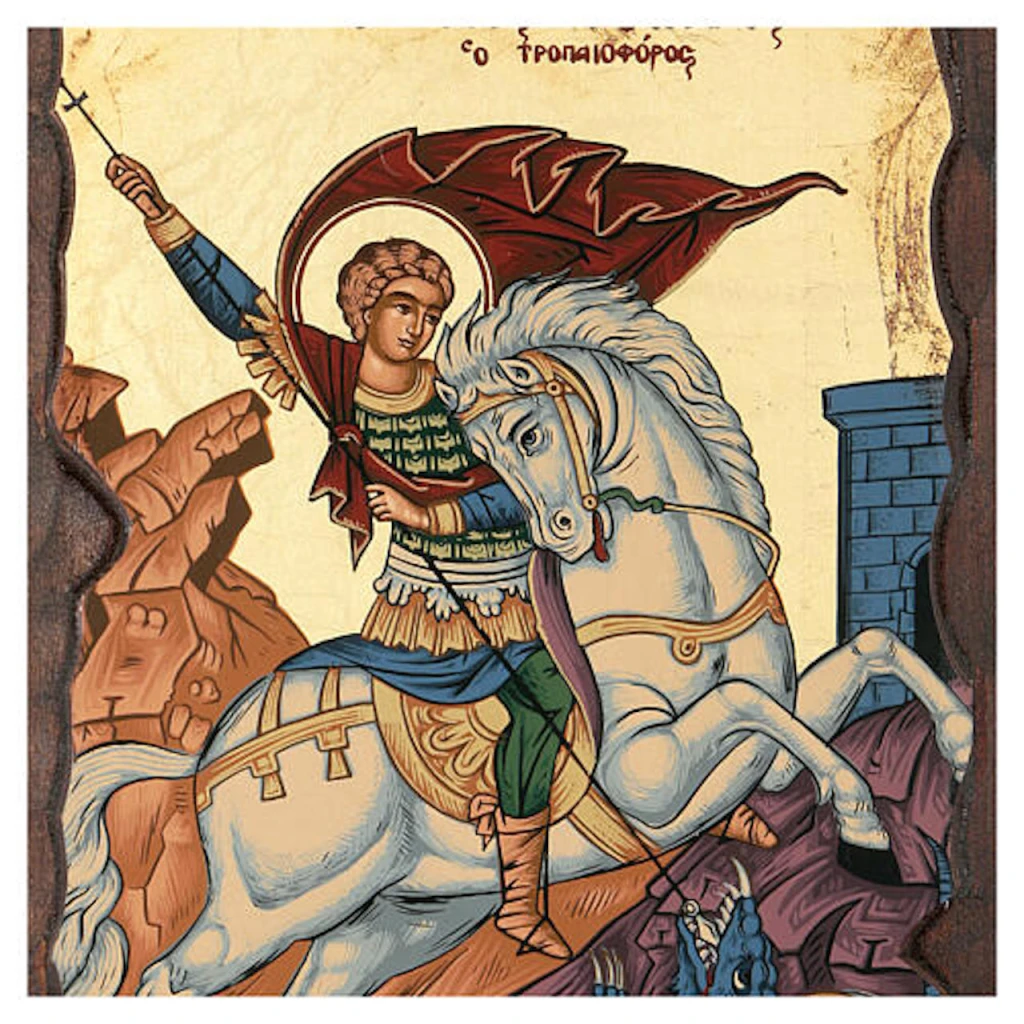
Cappadocia played a fundamental role in the history of Christianity. Thanks to its strategic location in Anatolia and its remarkable volcanic landscape, the region became one of the most important centers of Early Christianity and Eastern monasticism.
The rock-cut churches, monasteries, and underground cities that can still be visited today stand as lasting testimony to a spiritual heritage that has endured for centuries.
The First Christians in Anatolia
The city of Antioch (modern-day Antakya) was one of the earliest centers of Christianity. According to Christian tradition, it was there that the followers of Jesus Christ were first called Christians.
Following the events of Pentecost and the spread of Christ's teachings, many of His disciples traveled throughout Anatolia to preach the new faith.
Although Jesus Christ did not establish a new religion in the strict sense, His teachings profoundly transformed Jewish religious tradition and gave rise to Christianity.
One of the earliest Christian churches in Anatolia was carved into the rock in Antioch, where believers gathered for worship and prayer.
Saint Paul and the Spread of Christianity
One of the most influential figures in the expansion of Christianity was Saint Paul.
Originally known as Saul of Tarsus, he was a passionate opponent of the first Christians until, according to Christian tradition, he experienced a vision of Jesus Christ that completely transformed his life.
After his conversion, Saint Paul undertook several missionary journeys throughout Anatolia and the Mediterranean world.
Cappadocia became one of the regions where his teachings had a profound influence. For many local communities, Christianity also represented a source of spiritual hope during the social and economic hardships experienced under Roman rule.
The Three Cappadocian Fathers
During the 4th century, Cappadocia emerged as one of the leading intellectual and theological centers of the Christian world thanks to three remarkable figures collectively known as the Three Cappadocian Fathers:
- Saint Basil the Great
- Saint Gregory of Nyssa
- Saint Gregory of Nazianzus
Their teachings profoundly shaped Christian theology and played a decisive role in the development of Eastern monasticism.
Saint Basil the Great
Saint Basil the Great was born and died in Caesarea of Cappadocia (modern Kayseri) between AD 329 and 379.
He became one of the most influential theologians of the Early Church and authored numerous works on spirituality, theology, and communal religious life.
His greatest contribution was the organization of monastic life around three essential principles:
- Prayer
- Work
- Service to those in need
Saint Basil established religious communities where monks lived, worked, and worshipped together, replacing the earlier tradition of solitary hermits.
He also promoted the construction of hospitals, charitable institutions, and shelters for the poor.
His influence became so significant that many churches throughout Cappadocia feature depictions of Saint Basil in their apses and frescoes.
Visitors to the Göreme Open-Air Museum can still see a chapel dedicated to this great saint.
Saint Gregory of Nyssa
The younger brother of Saint Basil, Saint Gregory of Nyssa, was born in Caesarea around AD 335.
He became Bishop of Nyssa in AD 371 and was recognized as one of the foremost philosophers and theologians of the Eastern Church.
His writings played a crucial role in developing Christian theology and strengthening the official doctrines of the Church.
He actively participated in the major theological debates of his time and defended the principles of Orthodox Christianity.
Saint Gregory of Nazianzus
Saint Gregory of Nazianzus was born in the town of Nazianzus in Cappadocia.
During the 4th century, he served as Archbishop of Constantinople and became one of the greatest Christian thinkers of Late Antiquity.
He was a strong defender of the Nicene Creed and made significant theological contributions concerning the doctrine of the Holy Trinity and the Holy Spirit.
Together with Saint Basil and Saint Gregory of Nyssa, he opposed the teachings of Arius, whose doctrine challenged the divine nature of Jesus Christ.
The Christian Legacy of Cappadocia
The influence of these three great saints transformed Cappadocia into one of the most important spiritual centers of the Christian world.
The region's rock-cut churches, monasteries, and thriving religious communities established a monastic tradition that later spread throughout the Eastern Christian world.
Today, destinations such as Göreme, Ihlara Valley, Soğanlı Valley, and the hundreds of rock-cut churches scattered across Cappadocia allow visitors to discover the extraordinary spiritual heritage that made this remarkable region one of the most influential centers in the history of Christianity.
For travelers interested in religious history, Byzantine art, and early Christian civilization, Cappadocia remains one of the world's most fascinating and inspiring destinations.
Our partners